
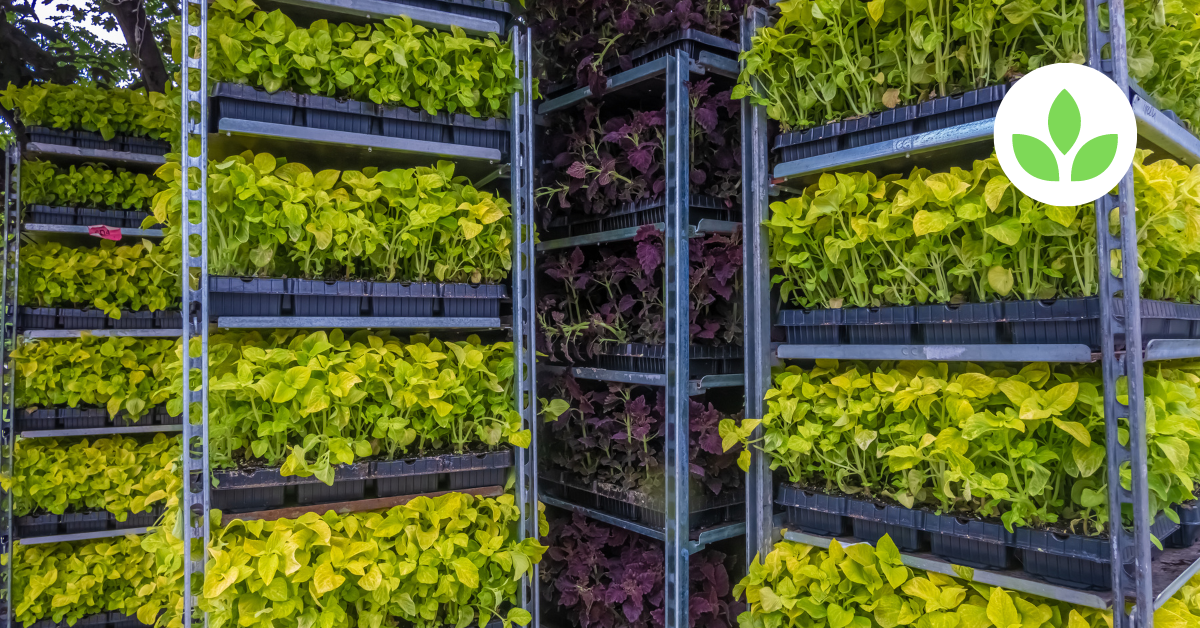
The growing need for sustainability education has led many schools to explore hands-on ways to teach students about agriculture and the environment. GroTowers offer a perfect tool for schools to incorporate sustainable farming into their curriculum. With GroTowers, students not only learn about where food comes from but also how to grow it using eco-friendly methods that conserve water and space. These vertical farming systems are ideal for urban and suburban schools with limited gardening space, making it possible to create productive learning gardens even in small areas.
GroTowers can help students grasp the concept of sustainability in agriculture. By growing food themselves, they develop an appreciation for the natural processes of farming and gain practical knowledge about topics such as soil health, plant biology, water conservation, and nutrition. Integrating GroTowers into the classroom also sparks conversations about broader environmental issues, such as food security, resource scarcity, and climate change.
In a world where environmental awareness is becoming increasingly critical, teaching children about the importance of growing their own food, conserving resources, and reducing waste provides them with invaluable life skills. These lessons extend beyond the classroom and can influence family habits, local communities, and even inspire future careers in sustainability.
The Benefits of GroTowers in Schools
- Interactive Learning
- GroTowers turn agriculture into a hands-on experience. Instead of learning from textbooks, students can plant seeds, care for growing crops, and harvest the food they helped cultivate. This interactive approach to education is highly engaging and gives students a sense of accomplishment. Children learn best by doing, and the satisfaction of seeing their hard work turn into tangible produce motivates them to continue learning.
- Sustainability Lessons
- By using GroTowers, students learn about sustainable farming practices, including vertical farming, water conservation, and organic growing techniques. These lessons help foster an understanding of the importance of sustainable agriculture and its role in combating environmental challenges. For instance, learning about how GroTowers use 40 times less water than traditional farming techniques can teach students the importance of resource efficiency, especially in areas facing water scarcity.
- Healthy Eating
- Schools can use GroTowers to teach students about healthy eating by growing nutrient-rich crops like leafy greens, herbs, and vegetables. Students are more likely to try and enjoy fresh produce when they’ve had a hand in growing it themselves, which can encourage healthier eating habits. Studies have shown that when children grow their own food, they are more willing to eat fresh fruits and vegetables, which promotes better dietary choices and overall wellness.
- STEM Education
- GroTowers provide an excellent platform for integrating STEM (Science, Technology, Engineering, and Math) education. Students can explore topics such as plant biology, environmental science, engineering design (in relation to the GroTowers themselves), and mathematics by tracking growth rates and calculating yields. Teachers can also engage students in problem-solving exercises, such as designing their own irrigation systems or experimenting with different plant varieties to see which thrive in a vertical setup.
- Connecting the School with the Community
- GroTowers can serve as a bridge between the school and the surrounding community. By inviting parents, local businesses, and volunteers to participate in the gardening projects, schools can create a shared sense of purpose that strengthens the bonds between families, educators, and the broader community. This collaborative approach encourages social responsibility and empowers students to be active participants in community-building activities.
Success Stories: Schools That Have Implemented GroTowers
Several schools have already embraced GroTowers as part of their educational programs, creating unique learning environments that promote sustainability, healthy eating, and community engagement:
- Urban Elementary School Garden Project
- In an urban elementary school, students used GroTowers to create a rooftop garden. This project taught them about sustainable food production, the importance of green spaces, and how small-scale farming can support food security in urban environments. The fresh produce harvested from the garden was used in the school’s cafeteria, promoting healthy meals and reinforcing the farm-to-table concept. Teachers reported that students showed increased enthusiasm for learning about food systems and were more likely to participate in science classes as a result of the project.
- High School STEM Program
- A high school integrated GroTowers into their STEM curriculum to teach students about agricultural technology and environmental sustainability. Students not only learned how to grow crops using GroTowers, but they also designed experiments to test variables such as water usage, plant growth under different light conditions, and the impact of soil health on yields. The success of the program led to the expansion of their gardening efforts, incorporating more GroTowers and expanding the types of crops grown.
- Community Engagement in Suburban Schools
- Some suburban schools have used GroTowers as a community engagement tool, inviting parents and local community members to participate in gardening projects. These projects help strengthen community bonds while teaching sustainability practices to both students and adults. In one case, a school garden became a community food bank, where excess produce was donated to families in need, demonstrating the social impact of GroTowers beyond just education.
How Schools Can Get Started with GroTowers
Schools interested in incorporating GroTowers into their curriculum can easily get started by reaching out to GroSpace for guidance and support. GroSpace provides training materials, setup assistance, and curriculum ideas to help schools maximize the educational benefits of GroTowers.
- Start Small: Schools can begin with one or two GroTowers and gradually expand their gardening program as interest grows.
- Involve the Community: Partnering with parents, local businesses, and community organizations can help fund and support school GroTower programs. Crowdfunding or local sponsorships are great ways to engage the community and ensure the program’s long-term success.
- Integrate Across Subjects: GroTowers can be incorporated into science, health, math, and environmental studies, creating a multidisciplinary learning experience for students. For instance, students can calculate water usage in math class or create reports on the environmental impact of local food production in geography.
Conclusion
GroTowers offer schools a powerful educational tool that teaches sustainability, healthy eating, and hands-on science. By incorporating vertical farming into the classroom, schools can provide students with practical knowledge and skills that will prepare them to tackle future environmental challenges. From small urban gardens to large community-led projects, GroTowers provide endless opportunities for learning, collaboration, and growth.
Incorporating GroTowers into schools not only helps students connect with nature and their food but also fosters a sense of responsibility for the environment. These early experiences in sustainability can inspire future leaders who are well-equipped to address the ecological challenges of tomorrow.
Tags: GroTowers in Schools, Sustainability Education, Vertical Farming, Hands-on Learning, STEM Education, Healthy Eating, GroSpace, GrowSpace, Growth Space