
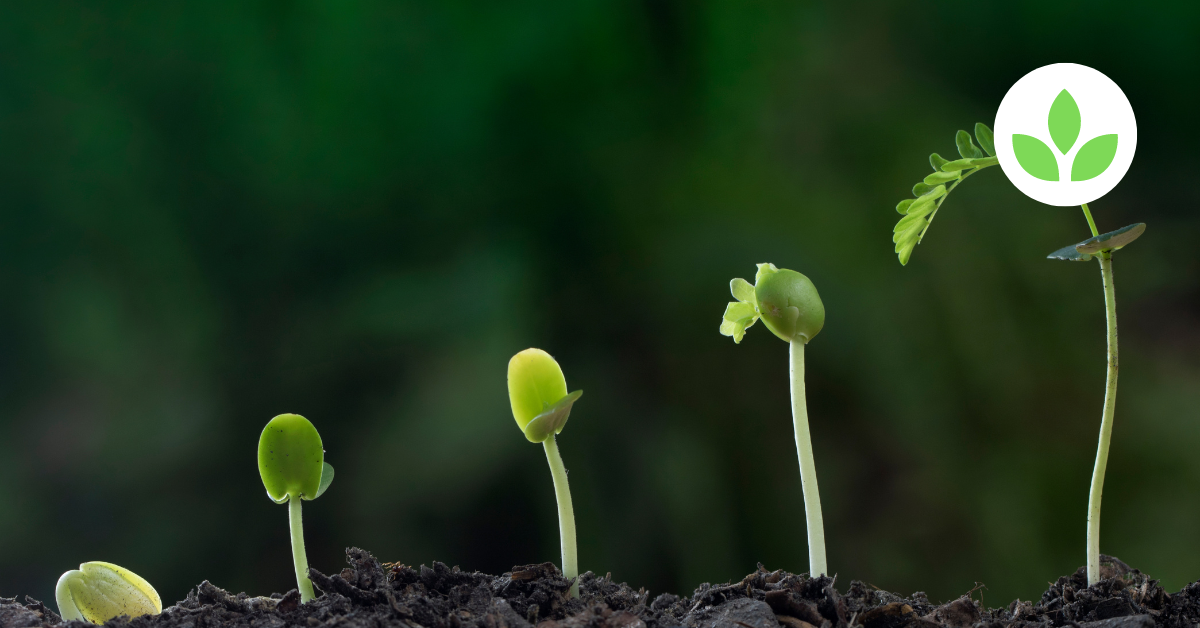
One of the most rewarding aspects of gardening is watching your crops grow from tiny seeds into healthy, vibrant plants that provide food for your table. GroTowers make this process more accessible, efficient, and sustainable, whether you’re growing in a small urban space or on a large commercial farm. By following the life cycle of a GroTower garden, you’ll gain insight into the stages of plant growth and learn how to optimize each phase to ensure a bountiful harvest.
In this post, we’ll explore the life cycle of a GroTower garden from seed planting to harvesting, covering essential tips for managing each growth stage and maximizing your yields.
1. Starting with Seeds: The First Stage of Growth
Every garden begins with seeds, and in a GroTower garden, seed selection is a critical step. The first stage of the GroTower life cycle involves choosing the right seeds, preparing the planting environment, and ensuring optimal conditions for germination.
- Choosing the Right Seeds
- Selecting the right crops to grow in your GroTower is key to a successful harvest. Common choices include leafy greens like spinach, kale, and lettuce, as well as herbs such as basil, cilantro, and parsley. These crops thrive in vertical growing environments and have relatively short growth cycles, making them ideal for both home gardeners and commercial farmers looking for quick turnaround times.
- Preparing for Germination
- Before planting seeds in the GroTower, you’ll need to ensure that the growing medium is properly prepared. GroTowers can accommodate soil-based growing, as well as hydroponic or aeroponic systems. Regardless of the method you choose, the medium should be nutrient-rich and well-drained to encourage strong root development. GroTowers use a drip irrigation system, which helps to keep the growing medium moist without overwatering.
- Planting the Seeds
- Seeds should be planted at the appropriate depth based on the crop you’re growing. Smaller seeds, such as lettuce, only need to be planted about 1/8 inch deep, while larger seeds, like beans, may need to be planted 1-2 inches deep. Be sure to space the seeds according to the recommendations for the specific crop to prevent overcrowding, which can limit growth.
2. The Germination Phase: Bringing Your Garden to Life
Once the seeds are planted, the next stage of the GroTower life cycle is germination. This is when the seeds begin to sprout and develop into young plants.
- Providing the Right Conditions for Germination
- Temperature, light, and moisture are all critical factors for successful germination. Most seeds require temperatures between 65-75°F (18-24°C) for optimal germination, and they also need adequate light to trigger the sprouting process. If you’re growing indoors or in low-light conditions, using grow lights can help ensure that your seeds receive the necessary light exposure. Maintaining consistent moisture levels with the GroTower’s drip irrigation system will help keep the seeds hydrated and promote healthy germination.
- Managing the Early Stages of Growth
- During germination, it’s important to keep an eye on the moisture levels and avoid overwatering. The GroTower’s efficient watering system makes this easy by delivering water directly to the root zone, preventing water waste and reducing the risk of fungal diseases caused by overwatering. Once the seedlings begin to emerge, they will need continued access to light, water, and nutrients to support their early growth.
3. The Vegetative Phase: Building a Strong Foundation
After germination, the plants enter the vegetative phase, where they focus on growing leaves, stems, and roots. This is the most active growth phase for most crops, and it’s crucial to provide the right nutrients and conditions to ensure the plants develop strong, healthy structures.
- Supporting Vegetative Growth
- During this stage, plants require a steady supply of nutrients, particularly nitrogen, which supports leafy growth. If you’re using a hydroponic or aeroponic system, ensure that the nutrient solution is appropriately balanced for the vegetative phase. For soil-based growing, consider using organic compost or GroFast, a liquid fertilizer developed by GroSpace, to promote robust growth.
- Pruning and Maintenance
- Pruning is important during the vegetative phase to ensure that plants grow in the right direction and receive adequate airflow and light. By removing any dead or overcrowded leaves, you’ll prevent diseases and promote healthier growth. In GroTowers, plants are grown vertically, which naturally improves airflow and light distribution, making it easier to maintain healthy plants.
- Monitoring for Pests and Diseases
- Even in a controlled environment like a GroTower, it’s important to watch for signs of pests or diseases. Common issues include aphids, whiteflies, and fungal diseases. Regularly inspecting your plants and taking early action can prevent infestations and keep your garden healthy. The vertical design of GroTowers helps reduce pest problems by keeping plants elevated off the ground, but it’s still essential to remain vigilant.
4. Flowering and Fruiting: Preparing for Harvest
As the plants continue to grow, they eventually enter the flowering and fruiting stage. For crops like tomatoes, peppers, and beans, this is when they begin to produce flowers, which will later develop into fruits or vegetables.
- Encouraging Flowering
- To promote flowering, plants need sufficient phosphorus and potassium. Adjusting the nutrient solution in hydroponic systems or adding organic fertilizers to soil-based systems will help support the development of flowers. For crops that require pollination, like tomatoes and cucumbers, make sure that pollinators have access to the garden or manually pollinate the flowers to ensure fruit production.
- Maximizing Yield
- Proper care during the flowering stage can significantly impact the final yield. Ensure that the plants continue to receive adequate light, water, and nutrients. In GroTowers, the vertical design ensures that light reaches all levels of the tower, promoting even growth and reducing the risk of shaded areas where flowers might not fully develop.
5. The Harvesting Stage: Enjoying the Fruits of Your Labor
The final stage in the life cycle of a GroTower garden is harvesting. This is when all your hard work pays off, and you can enjoy the fresh, homegrown produce that your garden has produced.
- Knowing When to Harvest
- Timing is key when it comes to harvesting. Leafy greens like spinach and kale can be harvested as soon as they reach the desired size, often within 4-6 weeks of planting. Fruits and vegetables, like tomatoes and peppers, should be harvested when they are fully ripe. Be sure to check the recommended harvest time for each crop, as picking them at the right time ensures the best flavor and nutrient content.
- Maintaining Continuous Growth
- One of the benefits of using GroTowers is that they allow for continuous planting and harvesting. As soon as one crop is harvested, you can plant new seeds or seedlings to begin the cycle again. This ensures a steady supply of fresh produce throughout the year, making GroTowers an ideal solution for those looking to maintain food security and reduce their reliance on grocery stores.
Conclusion
The life cycle of a GroTower garden—from planting seeds to harvesting—is a rewarding and educational process that yields fresh, healthy food while promoting sustainability. By understanding each stage of growth and providing the right care, you can maximize the productivity of your GroTower and enjoy a continuous supply of homegrown produce.
GroTowers make it easy for gardeners of all skill levels to grow a wide variety of crops efficiently and sustainably, whether in a small urban space or on a commercial farm. With the right care and attention, your GroTower garden will thrive, providing you with delicious, nutrient-rich food year-round.
Tags: GroTower Gardening, Plant Life Cycle, Vertical Farming, Seed to Harvest, Sustainable Gardening, Homegrown Food, GroSpace, GrowSpace, Growth Space