
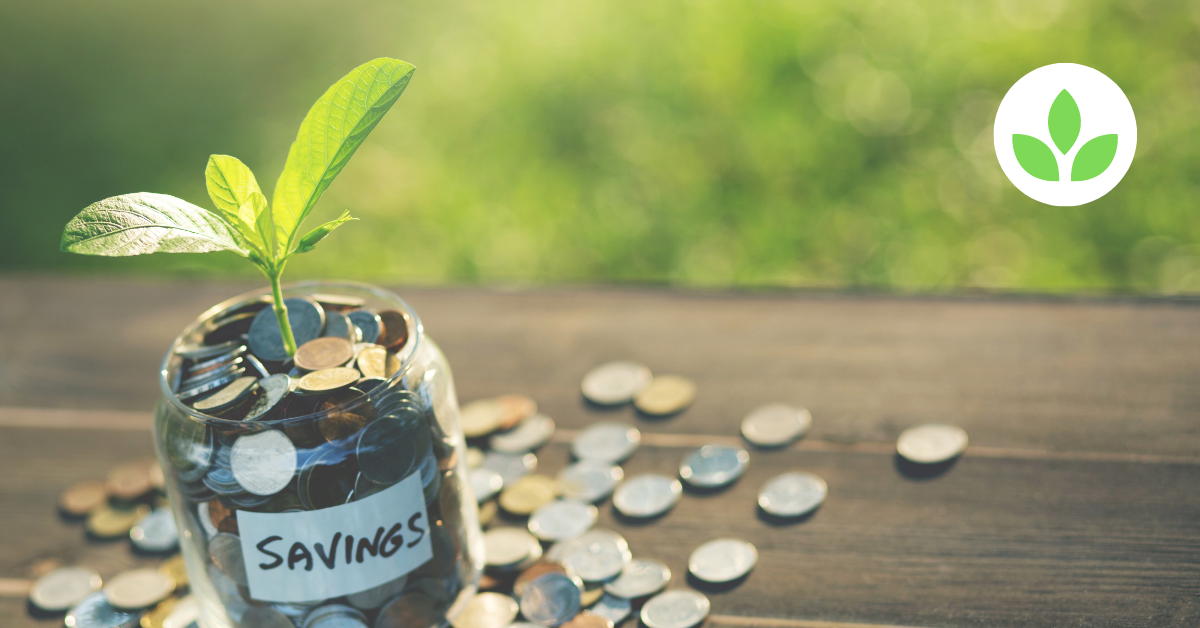
Vertical farming has gained popularity for its space-saving and resource-efficient design, and GroTowers are at the forefront of this movement. Whether you’re an urban gardener or a commercial farmer, GroTowers offer a cost-effective solution for growing fresh produce in a small footprint. By reducing the need for land, water, and labor, GroTowers provide both financial and environmental benefits. This post delves into the economics of GroTowers and explains how they can help you save money, from reducing grocery bills to lowering farming costs.
1. Reducing Grocery Bills: Growing Your Own Food
For home gardeners, one of the most immediate financial benefits of GroTowers is the ability to grow fresh, organic produce at home. Rising food prices, especially for fruits and vegetables, make growing your own food an attractive option for households looking to save money on groceries.
- Fresh, Homegrown Produce
- By growing your own vegetables, herbs, and fruits in a GroTower, you can significantly reduce the amount you spend on groceries. Leafy greens like spinach, kale, and lettuce—often among the most expensive items in grocery stores—can be grown year-round in GroTowers, providing a continuous supply of fresh produce at a fraction of the cost.
- Saving on Organic Produce
- Organic produce typically comes with a higher price tag due to the labor-intensive growing methods and certification processes involved. With GroTowers, you can grow your own organic vegetables without the premium prices, ensuring that you and your family have access to chemical-free, nutrient-dense food.
- Reducing Food Waste
- GroTowers allow you to harvest only what you need, reducing food waste. Unlike store-bought produce that can spoil before it’s consumed, you can pick fresh vegetables straight from your GroTower as needed, ensuring you get the freshest, most nutritious food without worrying about waste.
2. Lowering Farming Costs for Commercial Growers
For commercial farmers, GroTowers offer substantial cost savings by minimizing the need for expensive land, labor, and water while maximizing productivity. Vertical farming systems like GroTowers enable farmers to produce more food per square meter compared to traditional farming methods.
- Maximizing Land Use
- The vertical design of GroTowers allows you to grow more crops in less space. In traditional horizontal farming, you need large areas of land to produce high yields. With GroTowers, you can increase your plant density, growing up to 40 plants in each tower. This makes GroTowers ideal for small farms or urban farms where land is limited or expensive. By maximizing your land use, you can increase your production without having to invest in more acreage.
- Reducing Water Usage
- Water is one of the most significant costs in agriculture, and droughts or water shortages can drastically impact farming operations. GroTowers are equipped with a drip irrigation system that delivers water directly to the plant roots, reducing water waste by up to 40 times compared to conventional farming. This not only helps you save money on water costs but also ensures that your crops are more resilient during dry seasons or in regions with limited water access.
- Cutting Labor Costs
- Labor is another major expense for farmers, and traditional farming methods require intensive manual labor for planting, weeding, and harvesting. GroTowers are designed to minimize labor needs by eliminating the need for weeding and streamlining the planting and harvesting processes. The vertical design allows for easier access to plants, reducing the amount of time and labor required for maintenance. This means that fewer workers are needed to manage a GroTower farm, cutting labor costs significantly.
3. GroTowers as a Long-Term Investment
While there is an initial investment required to purchase and set up GroTowers, the long-term cost savings and return on investment (ROI) make them an economically sound choice for both home gardeners and commercial farmers.
- High Yield, Low Cost
- GroTowers are designed to optimize space and resources, allowing you to grow more food with less input. The initial cost of a GroTower can be recouped through the high yields you’ll produce over time. For commercial farmers, GroTowers can quickly pay for themselves by increasing production without the need for additional land, labor, or water.
- Durability and Low Maintenance
- GroTowers are built from durable materials, ensuring they can withstand weather conditions and the test of time. This durability means you won’t need to replace them frequently, further reducing long-term costs. Additionally, the low-maintenance nature of GroTowers—due to their efficient irrigation and vertical design—reduces the ongoing costs of farming or gardening.
- Scalability for Commercial Farmers
- One of the most attractive economic aspects of GroTowers for commercial farmers is their scalability. Whether you’re starting with a few GroTowers or planning to build an entire vertical farm, the system is modular and can be scaled up easily to meet growing demand. This scalability allows farmers to start small and gradually expand their operations as they begin to see returns.
4. Environmental and Financial Benefits of Sustainable Farming
Beyond the direct financial savings, GroTowers also contribute to long-term environmental sustainability, which can lead to further economic benefits.
- Reduced Pesticide and Fertilizer Use
- Growing crops vertically in a controlled environment means fewer pests and diseases compared to traditional farming. This reduces the need for chemical pesticides, lowering both costs and the environmental impact of your farming operation. Additionally, GroTowers require fewer fertilizers due to their efficient water and nutrient delivery systems, further reducing input costs.
- Decreasing Carbon Footprint
- Growing your own food in GroTowers reduces your reliance on produce that’s been transported over long distances. For commercial growers, selling locally grown food that’s produced in GroTowers can appeal to environmentally conscious consumers who prioritize buying from sustainable farms. The reduced transportation costs and the ability to market your produce as eco-friendly can help increase your sales and profit margins.
- Energy Efficiency
- GroTowers use significantly less energy than traditional farming methods. By growing vertically, you can reduce the need for large machinery and tractors, saving on fuel and maintenance costs. For indoor or greenhouse growing, GroTowers can be paired with energy-efficient lighting and climate control systems to further reduce energy consumption.
Conclusion
The economics of GroTowers show that vertical farming can save both home gardeners and commercial farmers money, while also promoting sustainability. By reducing the need for land, water, labor, and chemicals, GroTowers offer a cost-effective solution to growing fresh, healthy food year-round. Whether you’re looking to cut down on grocery bills or maximize the profitability of your farm, investing in GroTowers is a smart financial decision with long-term benefits.
GroTowers not only provide immediate savings but also contribute to a more sustainable and resilient food system. As the demand for locally grown, environmentally friendly food continues to rise, the economic benefits of GroTowers will only increase, making them an essential tool for the future of farming.
Tags: GroTower Economics, Vertical Farming, Cost Savings, Sustainable Agriculture, Urban Farming, Water Efficiency, GroSpace, GrowSpace, Growth Space