
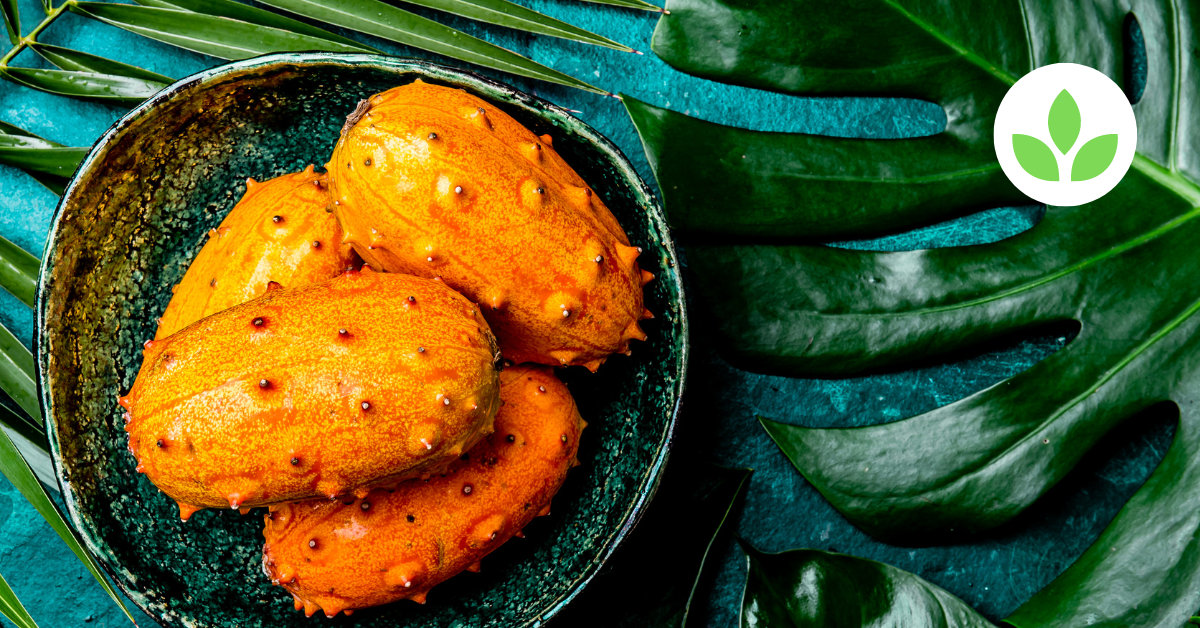
The African horned melon, also known as Kiwano, is an exotic fruit native to Southern and Central Africa that has gained popularity worldwide due to its striking appearance, refreshing taste, and impressive health benefits. With its bright orange spiky skin and green, jelly-like flesh filled with edible seeds, the Kiwano is a visually stunning fruit that makes a great addition to any fruit market or exotic fruit basket. Beyond its unique look, the African horned melon is packed with nutrients, making it a healthy choice for consumers looking to explore something new and nutritious.
Why Grow African Horned Melon (Kiwano)?
- Exotic Appearance
- Kiwano is instantly recognizable thanks to its bright orange, spiky skin and eye-catching shape. Its striking look makes it a standout in both grocery stores and home gardens, attracting consumers who are curious to try something new and visually appealing.
- Refreshing and Unique Flavor
- The flavor of Kiwano is often described as a combination of cucumber, banana, and lime, offering a refreshing, mildly sweet taste with a citrusy tang. This makes it a versatile fruit that can be enjoyed on its own, added to fruit salads, blended into smoothies, or used as a garnish in creative culinary dishes.
- Nutritional Benefits
- Kiwano is more than just a pretty fruit—it is also rich in nutrients. It is an excellent source of vitamin C, providing immune-boosting properties, as well as vitamin A, which promotes healthy skin and vision. Additionally, it contains magnesium, calcium, and iron, which support bone health and energy levels. Its high water content makes it a hydrating fruit, ideal for hot climates.
- Low in Calories
- With only about 44 calories per 100 grams, Kiwano is a low-calorie option for health-conscious consumers. It is also high in fiber, which supports digestive health and helps in maintaining a balanced diet.
Growing African Horned Melon: Tips for Success
Kiwano is a relatively easy plant to grow, thriving in warm climates and requiring minimal maintenance. Here’s how to get started:
- Ideal Growing Conditions
- Kiwano grows best in warm, tropical, or subtropical climates. It thrives in full sunlight and well-drained soil with a pH level between 6.0 and 6.5. While it can tolerate mild drought, regular watering is necessary to promote healthy growth and fruit development.
- Planting
- Kiwano is typically grown from seeds, which can be planted directly in the ground once the risk of frost has passed. Plant the seeds about 1cm deep and space them 30-50cm apart in rows that are 90-120cm apart. The plant is a vine and will require support, such as a trellis or fence, to grow upwards and produce fruit more efficiently.
- Watering and Fertilization
- Keep the soil consistently moist but avoid waterlogging, as this can cause root rot. Water deeply once or twice a week, depending on the climate. Apply a balanced fertilizer every two to three weeks during the growing season to provide the necessary nutrients for optimal fruit production.
- Pollination
- Kiwano plants rely on insect pollinators such as bees to help set fruit. Planting flowers nearby can encourage pollinators to visit your garden, increasing the chances of a successful harvest.
- Harvesting
- African horned melons are ready for harvest when their skin turns from green to bright orange. This typically happens about 90 to 120 days after planting. Gently cut the fruit from the vine with a sharp knife, leaving a short stem attached to prevent bruising.
Culinary Uses of Kiwano
Kiwano is a versatile fruit that can be used in a variety of dishes. Its mild flavor and juicy texture make it a refreshing addition to fruit salads, smoothies, and desserts. The jelly-like flesh can be scooped out and eaten with a spoon or blended into beverages for a tropical twist. Kiwano is also popular as a decorative garnish for cocktails, desserts, and savory dishes due to its vibrant color and exotic look.
- Fruit Salads and Desserts
- Kiwano pairs well with other tropical fruits like pineapple, mango, and papaya. Add it to fruit salads for a burst of color and texture, or use it as a topping for yogurt, sorbet, or ice cream.
- Smoothies and Drinks
- Blend Kiwano with other fruits and some coconut water for a refreshing tropical smoothie. Its high water content makes it a great hydrating option for hot summer days.
- Garnish
- Use Kiwano slices or scooped-out flesh as an eye-catching garnish for cocktails, fruit platters, and exotic dishes. Its bright color and unique shape add a visual pop to any plate.
Health Benefits of Kiwano
- Rich in Antioxidants
- Kiwano is packed with antioxidants like vitamin C, which help fight free radicals in the body, reducing oxidative stress and promoting overall health. Regular consumption of antioxidant-rich foods like Kiwano can help lower the risk of chronic diseases.
- Supports Skin Health
- The vitamin C and vitamin A content in Kiwano make it beneficial for maintaining healthy, glowing skin. Vitamin C promotes collagen production, which helps keep the skin firm and youthful, while vitamin A helps repair skin cells and protect against sun damage.
- Boosts Hydration
- With a water content of over 80%, Kiwano is an excellent fruit for staying hydrated, especially in hot climates or during the summer months. Its refreshing juice helps replenish lost fluids and maintain electrolyte balance.
- Digestive Health
- The high fiber content of Kiwano aids digestion by promoting regular bowel movements and preventing constipation. It also supports a healthy gut microbiome, which is essential for overall digestive health.
Conclusion
The African horned melon, or Kiwano, is a unique and visually striking fruit that offers a wealth of health benefits. Its refreshing flavor, exotic appearance, and versatility in the kitchen make it a popular choice for consumers looking to explore new and nutritious foods. Whether you’re growing it in your backyard or adding it to your fruit business, Kiwano is a profitable and rewarding crop that continues to captivate food enthusiasts worldwide.
Contact us today to learn more about growing African horned melons and how to bring this exotic fruit to your market or garden.
Tags: African Horned Melon, Kiwano, Exotic Fruit, Tropical Fruit, Vitamin C, Low-Calorie Fruit, Antioxidants, Fruit Salad, Digestive Health, Tropical Farming, GrowSpace, GrowthSpace, Grow Space, Growth Space