
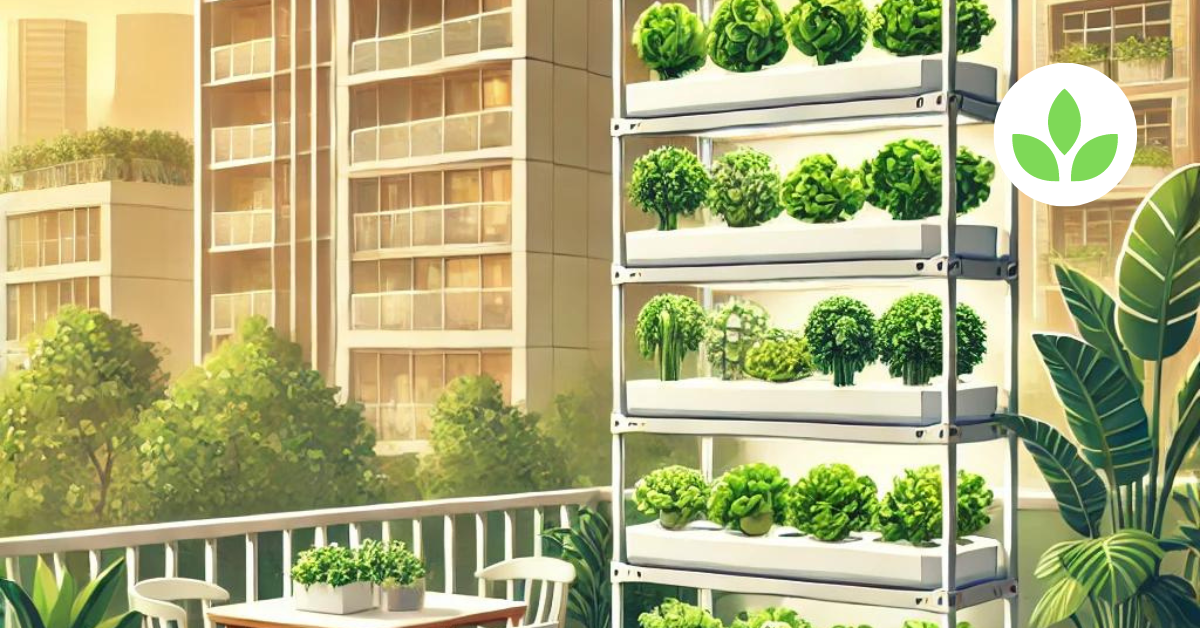
Urban living often means limited space, but that doesn’t have to limit your ability to grow fresh, healthy food. Whether you live in a small apartment, a townhouse, or a home with a compact backyard, the GroTower offers an innovative solution to maximize your growing potential. This beginner’s guide will walk you through everything you need to know to get started with GroTowers, allowing you to cultivate a thriving garden even in the smallest of spaces.
Why Choose GroTowers for Small Spaces?
GroTowers are designed specifically to optimize space efficiency while providing a high yield of fresh produce. The vertical design allows you to grow up to 40 plants in a single tower, making it an ideal solution for those with limited gardening space. Whether you’re growing leafy greens, herbs, strawberries, or small vegetables, GroTowers offer the flexibility and productivity needed to create a successful garden, no matter the size of your space.
Setting Up Your GroTower: Step-by-Step
Starting your GroTower is simple, and with a few easy steps, you can be on your way to growing your own fresh food.
- Choosing the Right Location
- Select a spot that receives plenty of sunlight—at least 6 hours per day is ideal. Balconies, patios, and rooftops are all excellent options. Ensure the area is level and stable to support the GroTower’s vertical structure.
- Assembling the GroTower
- The GroTower is easy to assemble with minimal tools required. Follow the provided instructions to set up the tower, making sure each GroSite is securely in place. The modular design allows for flexibility, so you can adjust the height and number of GroSites according to your needs.
- Preparing the Soil and Planting
- Fill each GroSite with high-quality potting soil, ensuring it’s well-draining and nutrient-rich. Plant your seedlings or seeds in each site, following the recommended spacing guidelines. Start with crops that are well-suited to vertical farming, such as spinach, lettuce, basil, or strawberries.
- Setting Up the Irrigation System
- GroTowers use a simple drip irrigation system that can be easily managed with a 2L plastic bottle. Make a small hole at the bottom of the bottle, fill it with water, and place it on top of the GroTower. The water will slowly drip down, hydrating the plants below. Depending on your climate, you may need to refill the bottle more frequently in hot weather.
- Maintaining Your GroTower
- Regular maintenance is key to a successful GroTower garden. Check your plants daily for signs of pests or disease, and ensure the soil remains moist but not waterlogged. As your plants grow, you may need to add additional support or adjust the positioning of the GroTower to ensure even sun exposure.
- Harvesting Your Produce
- Harvest your crops as they ripen to encourage continuous growth. Leafy greens can be harvested by trimming the outer leaves, allowing the center to continue producing. Herbs can be regularly clipped to promote bushy growth, and strawberries should be picked as soon as they’re fully red.
Tips for Success with GroTowers
- Start Small and Expand
- If you’re new to gardening, start with a single GroTower and a few easy-to-grow crops. As you gain confidence and experience, you can expand your garden by adding more GroTowers or experimenting with different types of plants.
- Rotate Your Crops
- Rotating your crops between growing seasons helps maintain soil health and prevent the buildup of pests and diseases. Plan your planting schedule to include a variety of crops throughout the year, keeping your garden productive and diverse.
- Optimize Sunlight Exposure
- Ensure your GroTower is positioned to receive the maximum amount of sunlight each day. If necessary, adjust the tower’s location or orientation to optimize light exposure, especially during the shorter days of winter.
- Use Organic Fertilizers
- To promote healthy growth and maintain soil fertility, use organic fertilizers such as compost or worm castings. These natural amendments provide essential nutrients without the risk of chemical buildup in the soil.
The Benefits of Growing Your Own Food
Growing your own food with a GroTower offers numerous benefits beyond just the convenience of fresh produce. It allows you to take control of what you eat, ensuring that your food is free from harmful pesticides and chemicals. It’s also a rewarding hobby that can reduce stress, increase physical activity, and provide a sense of accomplishment. Plus, homegrown food simply tastes better—fresher, more flavorful, and more nutritious.
Real-Life Impact: Success Stories from Small Space Gardeners
Urban gardeners around the world are discovering the joys of growing their own food in small spaces using GroTowers. For example, a couple in a high-rise apartment in Tokyo turned their small balcony into a thriving garden with two GroTowers, producing enough greens and herbs to supply their kitchen year-round. In another case, a family in Sydney used GroTowers to transform their small backyard into a productive vegetable garden, providing fresh produce for the entire neighborhood.
Ready to Start Your GroTower Journey?
With a GroTower, you don’t need a large garden to grow a lot of food. Whether you’re an experienced gardener or a complete beginner, the GroTower makes it easy to cultivate fresh, healthy produce right at home.
Contact us today to learn more about how GroTowers can help you make the most of your small space and start enjoying the benefits of homegrown food.
Tags: GroTower, Gro Tower, GrowTower, Grow Tower, GrowthTower, Growth Tower, small space gardening, vertical gardening, urban farming, balcony gardening, rooftop farming, sustainable gardening, beginner’s guide to GroTowers, GrowSpace, GrowthSpace, Grow Space, Growth Space