
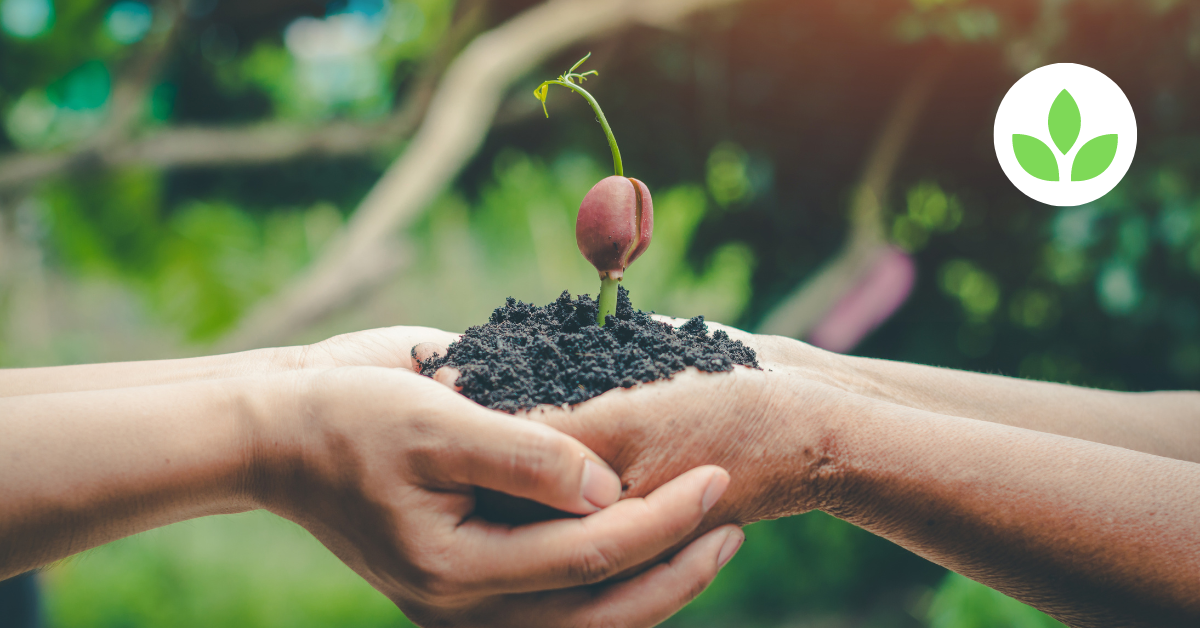
What began as a simple idea to maximize space and efficiency in urban farming has grown into a global movement in sustainable agriculture. GroTowers—the innovative vertical farming systems designed to produce high yields in small spaces—have transformed the way people grow food, both in urban environments and rural areas. From backyard gardeners and urban farmers to commercial farming operations, GroTowers are revolutionizing the future of agriculture.
This post takes you on the journey of how GroTowers evolved from concept to global movement, highlighting the key milestones, challenges, and vision for the future. As we look at the impact of GroTowers on sustainable agriculture, we’ll explore how this innovative technology has empowered farmers, addressed food security, and inspired a new generation of growers.
1. The Concept: Addressing the Challenges of Modern Agriculture
The concept of GroTowers was born out of the need to address several challenges facing modern agriculture—namely, the limited availability of arable land, the inefficiency of traditional farming methods, and the growing demand for sustainable food production. In densely populated urban areas, access to fresh food is often limited, while in rural regions, farmers struggle with decreasing yields and resource scarcity.
- Maximizing Space Efficiency
- The traditional method of growing food horizontally across large tracts of land is becoming increasingly impractical in urban environments where space is scarce and expensive. GroTowers were developed to solve this problem by growing crops vertically, allowing farmers and individuals to maximize the use of small spaces such as balconies, rooftops, and backyards.
- Water Efficiency and Resource Conservation
- Another key challenge in modern agriculture is water usage. Conventional farming methods often waste significant amounts of water through inefficient irrigation. GroTowers were designed with a drip irrigation system that delivers water directly to the roots, reducing water consumption by up to 40 times compared to traditional methods. This makes GroTowers ideal for areas where water scarcity is a concern, helping to promote sustainable farming practices.
2. Key Milestones in the Development of GroTowers
Since their initial development, GroTowers have undergone several key milestones that have helped transform them into the widely adopted farming system they are today. From the early prototypes to the expansion of GroTowers into international markets, the journey has been one of innovation, collaboration, and constant improvement.
- The First Prototype
- The first prototype of the GroTower was developed as a solution for small-scale urban farming. With space efficiency in mind, the early design featured 40 planting sites arranged vertically, allowing for the growth of a variety of crops in a compact area. The success of this prototype in urban settings inspired further research and development, leading to the refinement of the design for both home gardeners and commercial farmers.
- Commercial Expansion and Adoption
- As the demand for sustainable food production grew, GroTowers were quickly adopted by commercial farmers looking to maximize their yields while reducing costs. The modular, stackable design of GroTowers made them ideal for high-density planting, allowing commercial operations to produce more food on less land. This expansion into commercial agriculture marked a major milestone in the GroTower journey, as larger-scale farmers began integrating vertical farming into their operations.
- International Growth
- The success of GroTowers in urban and rural settings led to their expansion into international markets. From Asia to Africa, GroTowers were introduced to communities in need of sustainable food solutions. The flexibility of the system—being adaptable to different climates and environments—allowed GroTowers to thrive in a wide range of settings, from densely populated cities to arid regions with limited water access.
3. Overcoming Challenges: Scaling and Sustainability
As GroTowers gained popularity, several challenges emerged, particularly in scaling the system to meet the demands of a global market and ensuring that the technology remained sustainable and accessible to all.
- Scaling for Global Use
- Scaling GroTowers to a global market required overcoming logistical and manufacturing challenges. To ensure the system could be produced and distributed efficiently, GroTowers were redesigned using durable, weather-resistant materials made from recycled plastics. This not only improved the sustainability of the product but also allowed for mass production at an affordable cost.
- Ensuring Accessibility for Low-Income Communities
- Another challenge was ensuring that GroTowers remained accessible to low-income communities, where food insecurity is often most severe. To address this, GroSpace developed financing and leasing options that allowed individuals and communities to adopt GroTowers at a lower upfront cost. Additionally, GroSpace worked with non-profit organizations and government agencies to deploy GroTowers in areas facing food scarcity, ensuring that the technology could benefit those who needed it most.
4. The Global Movement: GroTowers Around the World
As GroTowers gained traction, they became more than just a farming tool—they became part of a global movement focused on sustainable agriculture, food security, and self-sufficiency. From urban farms in the United States to community gardens in South Africa, GroTowers are helping to reshape the way food is grown and consumed.
- Urban Farming Initiatives
- In cities around the world, GroTowers have become a staple of urban farming initiatives. Rooftop gardens, community gardens, and even school programs have adopted GroTowers to teach people about sustainable agriculture and provide fresh, locally grown food. These initiatives not only promote healthy eating but also contribute to the greening of urban environments and the reduction of food miles.
- Empowering Smallholder Farmers in Rural Areas
- In rural areas, GroTowers have empowered smallholder farmers to increase their productivity and reduce their reliance on traditional farming methods. The water efficiency of GroTowers has proven particularly valuable in arid regions, where water scarcity is a constant challenge. By using GroTowers, these farmers can grow high-yield crops with minimal resources, improving both their food security and their livelihoods.
- Addressing Global Food Security
- As the global population continues to grow, food security remains one of the most pressing challenges of our time. GroTowers are playing a crucial role in addressing this issue by providing a scalable, sustainable solution for growing food in a wide range of environments. Whether in the heart of a city or in a remote village, GroTowers offer a way to produce fresh, nutritious food, even in areas where traditional farming is no longer feasible.
5. The Future of GroTowers: Innovations and Vision
Looking to the future, the potential for GroTowers to continue shaping the future of agriculture is immense. As technology advances and the demand for sustainable food production grows, GroTowers will continue to evolve, offering even greater efficiency and adaptability.
- Integration with Smart Farming Technologies
- One of the most exciting innovations on the horizon is the integration of GroTowers with smart farming technologies. Sensors, automation, and real-time data monitoring could be incorporated into GroTowers to optimize growing conditions and further increase yields. This precision farming approach would allow farmers to monitor their crops remotely and make adjustments based on real-time data, ensuring optimal growth conditions.
- Expanding into Space Agriculture
- As space exploration advances, the concept of growing food in space has gained significant attention. GroTowers could play a pivotal role in space agriculture, providing a system for growing fresh food on long-term space missions or even in future colonies on Mars. The vertical, soil-free design of GroTowers makes them ideal for environments where traditional farming is not possible, offering a potential solution for space food production.
Conclusion
The journey of GroTowers from a simple concept to a global movement is a testament to the power of innovation in solving real-world challenges. By addressing the need for space efficiency, water conservation, and food security, GroTowers have revolutionized the way food is grown, making sustainable agriculture accessible to people around the world.
As we look to the future, GroTowers will continue to play a key role in transforming agriculture, empowering individuals and communities to take control of their food production and build a more sustainable, food-secure world.
Tags: GroTower Journey, Vertical Farming, Sustainable Agriculture, Global Movement, Urban Farming, Food Security, GroSpace, GrowSpace, Growth Space