
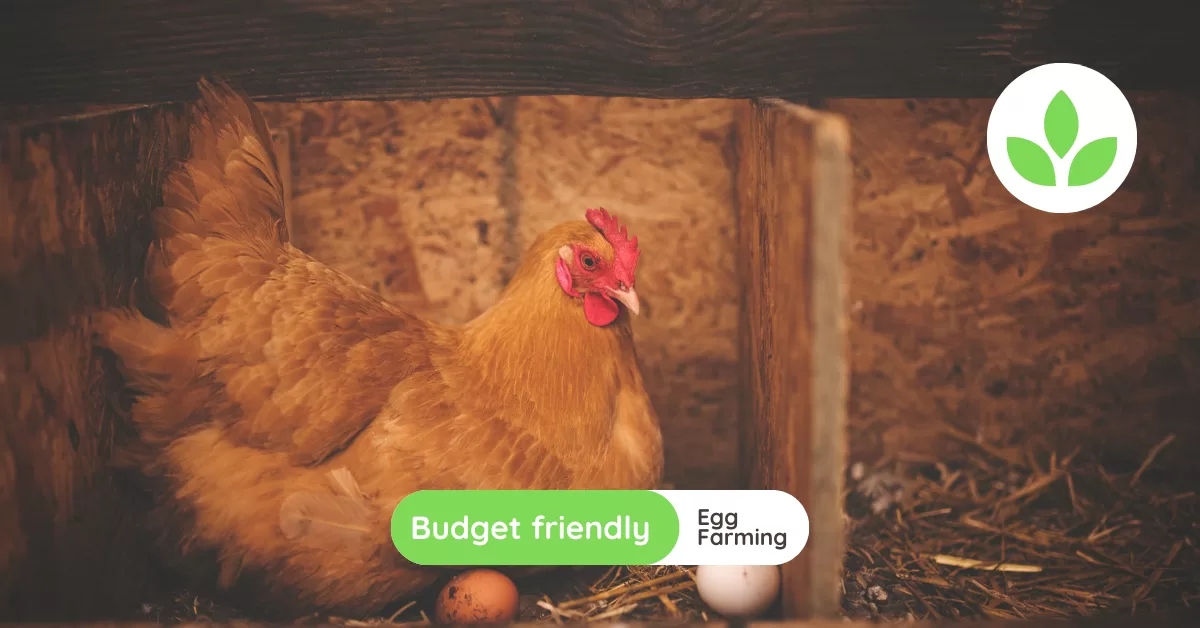
Setting Up a Layer Farm in a Barn with Minimal Cash Inputs
Starting a layer farm in a barn is an affordable and scalable way for farmers to enter the egg production businesswithout requiring excessive capital. By using low-cost, practical solutions for nesting, egg collection, and labour management, farmers can efficiently produce high-quality eggs while keeping operational costs low. This guide outlines how farmers can set up a sustainable layer farm using nominal cash inputs, focusing on cost-effective nesting boxes, efficient egg collection, and streamlined labour management.
1. Low-Cost Laying Boxes: Reusing 25L Water Drums
Hens require secure, comfortable, and accessible laying spaces to encourage consistent egg production. Instead of investing in expensive commercial nesting boxes, farmers can repurpose 25L plastic water drums to create effective and budget-friendly laying boxes.
Steps to Build Nesting Boxes Using Water Drums:
- Secure the Base:
- If the barn has a concrete floor, install angle iron brackets to create a stable frame.
- These brackets will hold the stacked water drums, ensuring they do not tip over.
- Prepare the Drums:
- Cut a hole on the side of each drum large enough for a hen to comfortably enter and exit.
- The opening should be rounded to prevent injury to the hens.
- Add Comfort Materials:
- Fill each drum with dry hay or straw to create a warm, inviting nesting area.
- Replace the bedding regularly to maintain hygiene and reduce egg contamination risks.
- Strategic Placement:
- Stack the drums at an accessible height so that hens can easily jump in and lay their eggs.
- The nesting area should be quiet and dimly lit to reduce stress for the hens.
By implementing this cost-effective nesting system, farmers eliminate the need for costly commercial layer cages, while providing hens with secure and comfortable laying spaces.
2. Efficient Egg Collection Schedule
To maintain high-quality eggs and reduce losses from dirty or cracked eggs, farmers must implement a frequent and systematic egg collection schedule.
Best Practices for Egg Collection:
✅ Start Early: Begin collecting eggs at 06:00 AM to prevent eggs from becoming dirty or cracked in the nest.
✅ Collect Every 2 Hours: Regular collection ensures eggs remain clean and fresh, reducing breakage.
✅ Use Clean Hands or Gloves: Always handle eggs gently to prevent damage.
✅ Separate Dirty Eggs: Eggs with dirt or dust should be categorized for catering or immediate sale rather than retail packaging.
By collecting eggs every two hours, farmers can ensure higher-quality eggs that fetch premium prices in the market.
3. Packing and Grading: Keeping Labour Costs Low
Once eggs are collected, they need to be graded, packed, and prepared for sale. Efficient labour management is essential to keep packing costs down while ensuring high output.
Labour Requirements for Packing & Grading:
- One packer/grader can process 1000 eggs per hour.
- The cost of paying a grader/packer is R25 per 1000 eggs, translating to R0.75 per tray of 30 eggs.
- As production scales, farmers can increase labour based on demand.
| Daily Egg Production | Number of Labourers Needed |
|---|---|
| 1,000 – 8,000 eggs/day | 1 labourer |
| 8,000 – 16,000 eggs/day | 2 labourers |
| 16,000 – 24,000 eggs/day | 3 labourers (maximum) |
At peak production, three labourers can efficiently grade and pack all eggs, keeping labour costs optimized for profitability.
4. Egg Cleaning Process: Extending Shelf Life
Eggs should always be kept as clean as possible from the moment they are laid. However, some eggs will inevitably get dusty or dirty. Proper cleaning and handling techniques will determine their shelf life and value.
Dry Cleaning vs. Moist Cleaning
✅ Dry Cleaning Method (Recommended for Retail Sales)
- Use a dry cloth to gently remove dirt or dust.
- This maintains the protective cuticle, ensuring eggs last 30+ days at room temperature (25°C) and even longer at cooler temperatures (18°C).
🚫 Moist Cleaning Method (For Catering Sales Only)
- If a moist cloth is used, the egg’s natural cuticle (protective coating) is removed.
- This reduces shelf life to just 14 days since moisture can introduce bacteria into the eggshell pores.
- Moist-cleaned eggs should be immediately used for catering purposes.
Sorting and Distribution:
- Retail eggs should always be clean and dry before packing.
- Dirty eggs should be marked for immediate catering use, ensuring fast turnover.
- Farmers can sell catering eggs at a discount to hotels, restaurants, and bakeries to prevent losses.
By following these best practices, farmers can maximize the shelf life of their eggs, ensuring they remain fresh and marketable for as long as possible.
Scaling the Business: When to Expand Production
As production increases, farmers must plan for scalability. A structured growth plan ensures that increased volumes do not lead to inefficiencies or wastage.
Key Indicators That It’s Time to Expand:
📈 Growing Demand:
- Consistently selling out eggs and receiving more orders than available stock.
📦 Labour Needs Increasing:
- If packing & grading exceeds 24,000 eggs per day, automation may be necessary.
🏗 Infrastructure Expansion:
- Farmers should consider adding more laying boxes as the flock size grows.
- Expansion can be funded using profits from early production cycles.
💰 Access to Funding:
- Farmers can apply for production finance through GroSpace to scale operations without disrupting cash flow.
Final Thoughts: Why This Model Works
Setting up a layer farm in a barn using minimal cash inputs is a highly effective way to enter the egg production industry with low upfront costs and high return potential.
By following these low-cost, scalable solutions:
✅ Farmers save money on nesting boxes while providing comfortable laying spaces.
✅ Frequent egg collection reduces spoilage and breakage, ensuring maximum income.
✅ Efficient labour management keeps operational costs low, maintaining healthy profit margins.
✅ Proper egg cleaning techniques extend shelf life, improving market value.
Farmers who follow these principles increase productivity, minimize costs, and build a profitable layer farming operation—even with limited initial capital.
Tags
Layer farming, poultry business, egg production, sustainable farming, low-cost poultry setup, South African agriculture, egg cleaning, egg grading, backyard farming, barn layer farm, commercial egg farming, laying hen management, efficient poultry farming, poultry finance, GroSpace poultry support